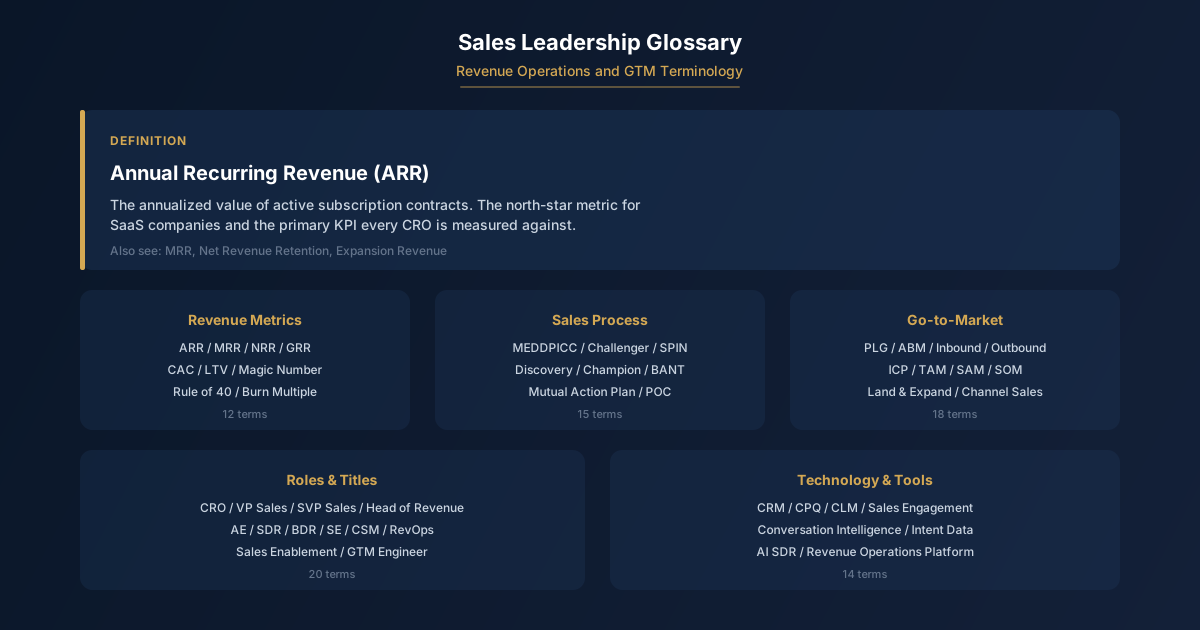
A discovery call is the first qualifying conversation between a sales rep and a prospect, designed to uncover pain points, budget, timeline, and decision-making authority.
The discovery call is where deals are won or lost before most reps even realize it. It's the structured conversation where an AE or SDR asks targeted questions to determine whether a prospect has a real problem, the budget to solve it, and the urgency to act. Great discovery separates top performers from quota-missers.
What Makes a Great Discovery Call
The best discovery calls follow a 70/30 listening-to-talking ratio. Reps who talk more than 40% of the time close at significantly lower rates. Gong's data shows that top performers ask 11-14 questions per discovery call, spaced naturally throughout the conversation rather than fired off in rapid succession. The goal isn't interrogation. It's understanding the prospect's world well enough to position your solution as the obvious answer.
Discovery Frameworks
Most sales methodologies have a discovery component. MEDDPICC drives reps to uncover Metrics, Economic Buyer, and Pain during discovery. BANT (Budget, Authority, Need, Timeline) is simpler but less thorough. Sandler's pain funnel goes deep on emotional drivers. The framework matters less than consistent execution. Our job posting data shows 72% of VP Sales roles require experience implementing a formal qualification methodology, and discovery call rigor is how that shows up in practice.
Common Discovery Call Mistakes
Three mistakes kill deals early. First, pitching before understanding the problem. Second, asking questions you could have answered with 5 minutes of research. Third, failing to establish next steps before hanging up. CROs who review discovery call recordings in Gong or Chorus consistently find that reps skip the 'why now' question, which is the single best predictor of deal velocity.
In Practice
The best discovery calls follow a structure that feels natural to the buyer but is deliberate. Open with context (show you've done your homework). Ask about their current process and where it breaks down. Quantify the pain ('how much does that cost you annually?'). Understand the decision process ('who else needs to be involved?'). Establish urgency ('what happens if you don't solve this by Q3?'). Set clear next steps before the call ends. The entire conversation should take 25-35 minutes. Anything longer and you're probably pitching, not discovering.
Real-World Example
A conversation intelligence platform analyzed 500,000 discovery calls and found that reps who asked about the prospect's timeline in the first 10 minutes had 2.3x higher conversion to next stage compared to reps who waited until the end. The reason: timeline questions surface urgency early. If there's no urgency, great. You've saved both parties a 45-minute meeting. If there is urgency, the entire conversation shifts. The prospect starts selling themselves on why they need to move now.
Common Mistakes in Discovery
Running discovery as a one-way information extraction instead of a collaborative conversation. Prospects shut down when they feel interrogated. The fix is to give before you take. Share a relevant insight about their industry before asking about their specific challenge. Reference something you noticed about their company that impressed you. When you demonstrate that you've done your homework, prospects open up. The other critical mistake: not confirming pain before moving forward. Too many reps hear mild interest and rush to schedule a demo. If the prospect can't articulate what they'd gain from solving the problem, you haven't found pain. You've found curiosity.